The Hidden Digital Shift Small Businesses Are Missing (And Why It Matters More Than Ads)
Most small businesses today believe digital marketing success means running ads, posting on social media, or ranking on Google.
That used to work.
But something quietly changed in the digital world — and many small businesses haven’t noticed it yet.
This change isn’t about new platforms or algorithms.
It’s about who actually owns customer data and attention in the modern digital ecosystem.
Let’s break down this less-talked-about side of digital marketing — and why it’s shaping the future of small businesses.
The Rise of the “Zero-Click” Customer
Today, customers often take action without ever visiting your website.
They:
- Call directly from Google Business Profile
- Read answers on Google itself
- Message via WhatsApp or Instagram
- Check reviews and decide instantly
This is called the Zero-Click Economy — where platforms control the interaction, not the business.
Small businesses may be visible online, but:
- They don’t own the data
- They don’t control the journey
- They can’t retarget or build long-term insights
Visibility without ownership is a dangerous illusion.
The Silent Problem: Platform Dependency
Most small businesses unknowingly build their entire digital presence on rented platforms:
- Social media algorithms change
- Ad costs increase
- Reach drops without warning
When this happens, businesses panic — because there’s no owned ecosystem.
True digital growth comes from:
- Owning customer touchpoints
- Building first-party data
- Creating systems, not just posts
This mindset is slowly entering India’s small business ecosystem — and those who adopt it early will dominate locally.
Digital Marketing Is No Longer Just Promotion — It’s Business Intelligence
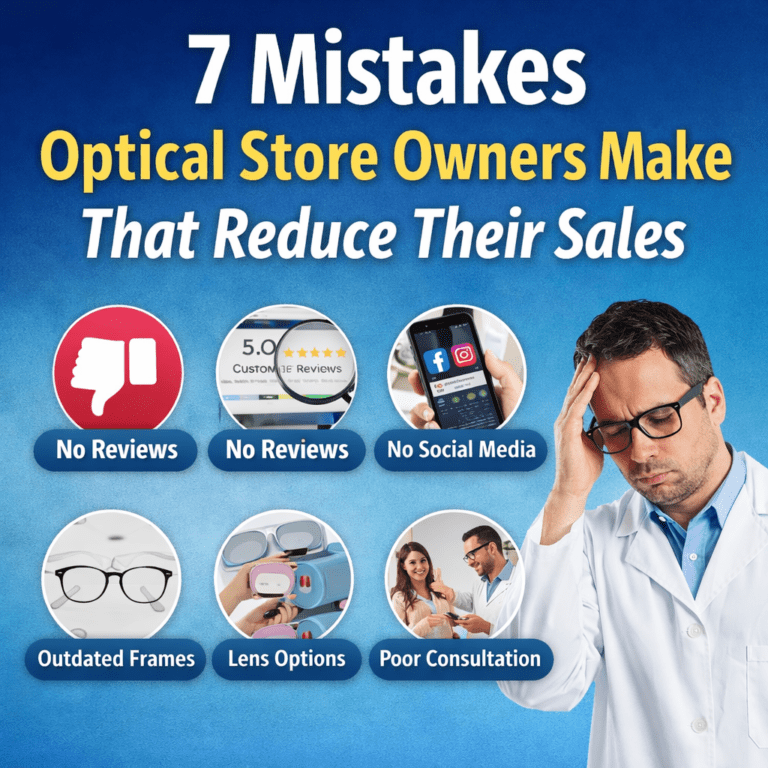
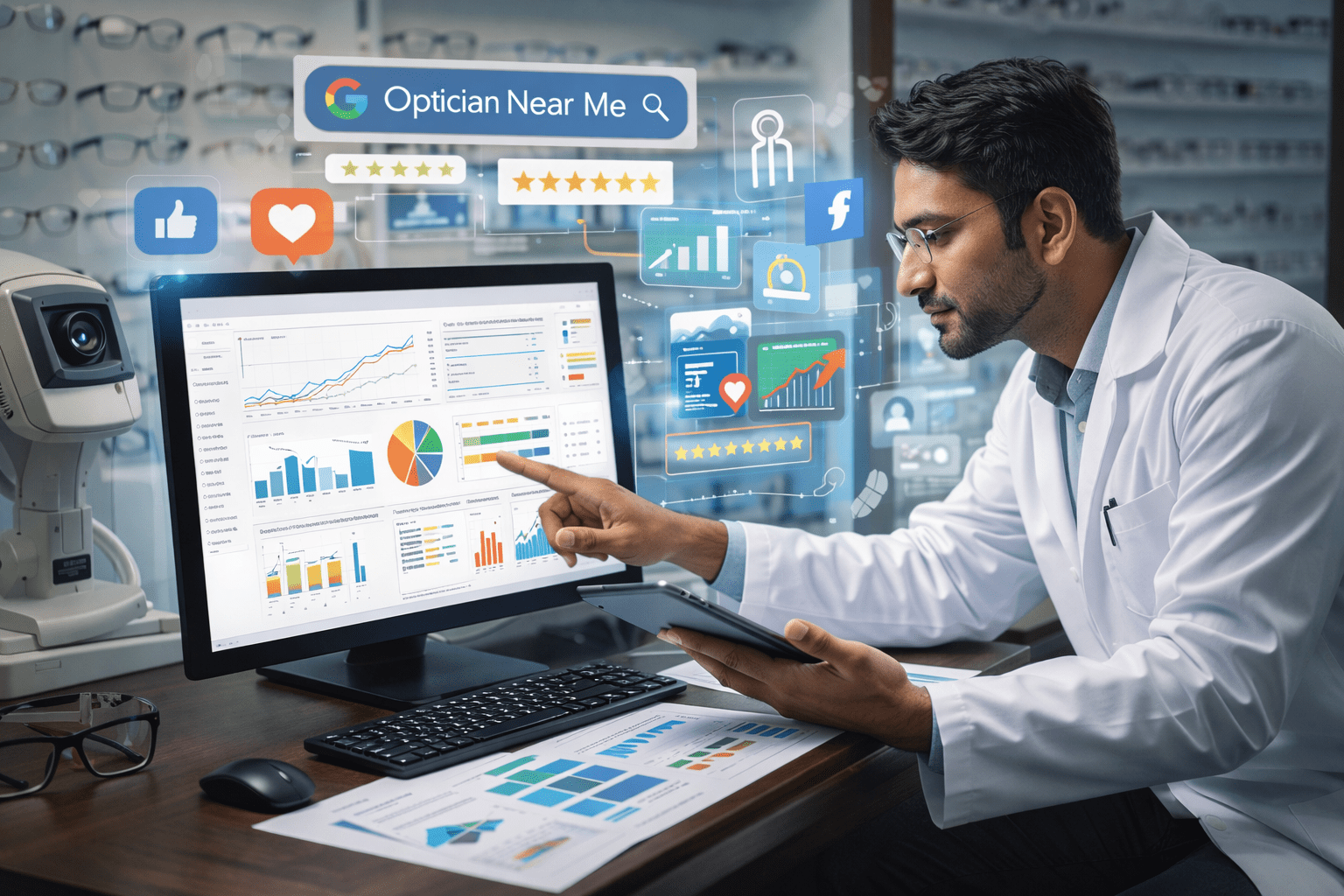
Modern digital marketing has evolved beyond simple promotion. Today, it plays a critical role in understanding customer behavior, managing Customers data, and improving decision-making at the store level — especially for opticians.
For optical stores, digital platforms are no longer just about visibility. They help answer deeper questions:
Why does a customer choose one optical store over another?
At what stage do they hesitate — eye test booking, frame selection, or price comparison?
What makes them return for repeat purchases?
Successful optician businesses use digital insights to understand vision care needs, buying patterns, and trust signals — not just to run ads. This is why professional knowledge that combines technical optician skills with modern digital awareness is becoming increasingly valuable.
Institutions like ISDT-CDO,Nashik are addressing this gap by offering structured programs such as the CDO (Certified Dispensing Optician) course that prepare opticians for today’s digitally influenced customer journey. As optician practices become more data-driven and Customer-centric, this blend of Opticianry expertise and modern business understanding is no longer optional — it’s essential.
👉 https://www.isdtindia.com
From Marketing Tasks to Digital Strategy
Posting creatives, running ads, or updating Google profiles are tasks.
But real impact happens when these tasks are aligned under a digital strategy:
- Local search + conversion optimization
- Content designed for intent, not likes
- Data-backed decisions instead of guesswork
Agencies that focus on sustainable digital systems rather than short-term hype are helping small businesses move into this new phase of marketing maturity.
For example, firms like Aspire Digital Marketing focus on helping local businesses build visibility with intent, ensuring digital efforts translate into actual enquiries and long-term growth — not just impressions.
Why This Matters for the Future of Small Businesses
In the next few years:
- Ads will get more expensive
- Attention will get shorter
- Platforms will get stricter
Only businesses that understand digital ownership, data, and strategy will scale confidently.
This is where digital leadership thinking — once limited to large corporations — is slowly becoming essential even for small and medium businesses.
And the businesses that invest early in understanding this shift won’t just survive — they’ll lead.
Final Thought
Digital marketing is no longer about being everywhere.
It’s about being intentional, informed, and independent.
Small businesses that move beyond surface-level marketing and start thinking like digital leaders will shape the next generation of local success stories.
And that shift has already begun — quietly.